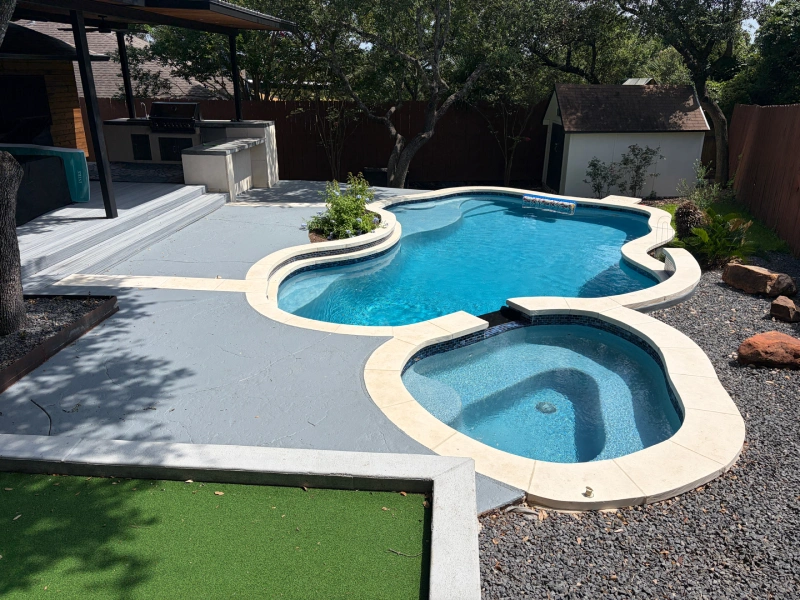
Foundation & Site Factors: Understanding Your Property’s Impact on Costs
Before any construction begins, understanding your property’s unique characteristics determines a significant portion of your project budget. The foundation and site conditions form the bedrock of every cost estimate, and properties across the Driftwood area present distinct challenges that directly influence both material requirements and labor hours.
Soil composition varies considerably throughout the Texas Hill Country region. Many properties sit atop limestone bedrock, which can require specialized excavation equipment and additional labor hours during inground pool installation. Clay-heavy soils, common in low-lying areas, demand enhanced drainage solutions to prevent settling and structural issues over time. Sandy loam, while easier to excavate, often necessitates additional compaction and stabilization measures before pouring concrete or laying pavers.
Terrain slope and existing grade create another layer of complexity. Properties with significant elevation changes require retaining walls, terracing, or extensive grading to create level areas for pools, kitchens, and dining spaces. Each foot of elevation difference can add thousands to your budget through additional engineering, materials, and earth-moving costs. Conversely, flat lots may seem simpler but often present drainage challenges that require French drains, catch basins, or strategic grading to direct water away from structures.
Lot size and accessibility influence equipment staging and material delivery logistics. Narrow side yards or properties without rear access gates may require hand-carrying materials or renting smaller machinery, extending timelines and increasing labor expenses. During the spring and early summer months, when Driftwood typically experiences higher rainfall, site access becomes even more critical as wet conditions can delay excavation and concrete work for days or weeks.
Existing utilities present hidden variables that affect site preparation budgets. Underground electrical lines, gas pipes, irrigation systems, and septic fields must be located, protected, or relocated. Professional utility location services and careful planning prevent costly accidents and ensure code compliance. Working with seasoned builders familiar with local soil conditions and typical utility layouts helps homeowners anticipate these costs rather than encounter them as surprises mid-project.
Pool Construction & Equipment: Investing in Your Backyard Centerpiece
The centerpiece of most custom outdoor living spaces, an inground pool represents the largest single line item in your budget. Understanding the cost range for concrete pool construction and associated equipment allows you to make informed decisions that align with your vision and financial parameters.
Concrete pools, built using gunite or shotcrete techniques, offer unparalleled design flexibility and long-term durability. Basic rectangular or simple geometric designs typically start at lower price points, while freeform shapes with integrated spas, beach entries, tanning ledges, and custom water features escalate costs proportionally. Size matters significantly: a compact 300-square-foot pool costs substantially less than a 600-square-foot resort-style installation, not only in materials but in excavation, plumbing, and finishing expenses.
Fiberglass pools present a different cost profile. Factory-molded shells arrive complete and install faster than concrete alternatives, potentially reducing labor costs. However, shape and size options remain constrained by manufacturing limitations and transportation logistics. The upfront price difference between fiberglass and concrete narrows when factoring in long-term resurfacing cycles, making lifecycle cost analysis essential for budget-conscious homeowners.
Pool equipment selections dramatically affect both initial investment and ongoing operational expenses. Standard single-speed pumps cost less upfront but consume more electricity over their lifespan compared to variable-speed models that qualify for energy rebates. Heating options span gas, electric heat pumps, and solar systems, each carrying distinct installation and operating cost profiles suited to different usage patterns. Saltwater chlorination systems, automated chemical feeders, and advanced filtration technologies add convenience and water quality benefits at premium price points.
Automation technology transforms pool operation but requires careful budget consideration. Basic time clocks and manual controls minimize upfront costs, while smartphone-controlled systems managing pumps, heaters, lighting, water features, and cleaning cycles represent significant investments. Many homeowners phase in automation upgrades during subsequent pool equipment replacement cycles rather than installing everything initially.
Professional installation by an experienced inground pool builder ensures proper plumbing layouts, electrical integration, and structural integrity that prevent costly repairs. Cutting corners during construction frequently leads to equipment failures, leaks, and premature surface deterioration that eclipse any initial savings. Quality workmanship and materials prove their value across decades of reliable performance.
Outdoor Kitchen & Dining: Creating Your Entertaining Hub
Outdoor kitchens extend your home’s living and entertaining capacity while creating a functional hub for poolside gatherings. The investment range for outdoor kitchen installation varies widely based on appliance selection, material choices, and infrastructure complexity.
Countertop materials establish both aesthetic tone and durability standards. Granite and concrete remain popular for their heat resistance and weather tolerance, with costs varying by thickness, edge profiles, and color rarity. Porcelain slabs offer contemporary aesthetics and stain resistance at premium prices, while tile provides budget-friendly versatility with proper substrate preparation. Each material requires specific base construction and support, influencing overall structural costs.
Appliance grades separate basic functionality from professional-grade performance. Entry-level built-in grills provide reliable cooking at accessible price points, while commercial-quality units with multiple burners, infrared searing zones, and rotisserie systems command substantial premiums. Side burners, warming drawers, refrigerators, ice makers, and beverage centers add convenience and cost in proportion to their size and feature sets. Outdoor-rated appliances withstand temperature extremes and humidity better than indoor equivalents, justifying their higher initial investment through extended service life.
Utility connections represent a critical cost variable often underestimated during initial planning. Natural gas lines must be sized, trenched, and professionally installed to code specifications. Electrical circuits require appropriate amperage, GFCI protection, and weatherproof enclosures. Water supply lines for sinks and ice makers need freeze protection and proper drainage integration. In the Driftwood area, where summer temperatures regularly exceed 95 degrees and winter freezes occur periodically, proper utility installation prevents seasonal equipment damage.
Cabinetry and storage solutions range from basic stainless steel doors and drawers to fully appointed systems with wood-look polymer finishes that resist moisture and pests. Marine-grade construction techniques, stainless steel frames, and quality hardware ensure longevity despite constant exposure to cooking heat, pool chemicals, and weather. Many homeowners phase kitchen buildouts, starting with essential cooking and refrigeration components while reserving space for future additions as budgets allow.
Professional outdoor living design integrates kitchens seamlessly with pools, dining areas, and landscaping, creating cohesive spaces that maximize functionality and aesthetic appeal. Proper planning during initial construction prevents costly retrofits and ensures adequate space for comfortable cooking and serving workflows.
Hardscape, Decking & Patio Costs: Defining the Framework of Your Space
Hardscaping defines the architectural framework of your outdoor living space, connecting pools, kitchens, and activity areas while establishing visual character and functional pathways. Material selection and installation quality directly influence both immediate costs and long-term maintenance requirements.
Paver options span concrete, clay brick, and natural stone, each offering distinct cost-performance profiles. Concrete pavers provide excellent value with wide color and pattern selections, while natural stone such as travertine, flagstone, or limestone delivers unique textures and earth-tone variations at higher price points. Paver thickness, joint spacing, and installation patterns affect material quantities and labor intensity. Permeable paver systems, increasingly popular for managing stormwater runoff, cost more initially but reduce drainage infrastructure needs and support sustainable site management.
Concrete remains the most economical hardscape foundation, with decorative options including stamped patterns, acid staining, and exposed aggregate finishes that mimic more expensive materials. Proper concrete installation requires adequate base preparation, appropriate thickness for intended use, control joints to manage cracking, and proper curing during hot Texas summers when temperatures accelerate moisture evaporation. Quality concrete work by experienced contractors prevents premature deterioration and costly repairs.
Wooden decking and composite alternatives create elevated outdoor living areas and pool surrounds with distinct visual warmth. Pressure-treated lumber offers entry-level pricing but requires regular maintenance and eventual replacement. Cedar and tropical hardwoods provide natural beauty and rot resistance at moderate to premium costs. Composite decking eliminates most maintenance while delivering consistent color and texture across its extended lifespan, justifying higher upfront investment for homeowners prioritizing convenience.
Pergolas, shade structures, and architectural elements add vertical interest and functional comfort. Basic post-and-beam designs in standard lumber provide essential shade at accessible costs, while custom cedar or metal structures with integrated lighting, fans, and retractable canopies represent significant investments. Foundation requirements for these structures vary by size and wind exposure, adding concrete footings and engineering to overall expenses.
Design complexity multiplies labor costs beyond material expenses. Intricate paver patterns, multi-level decks, curved borders, and integrated planters require additional cutting, fitting, and craftsmanship hours. Simple rectangular layouts install faster and more economically while still delivering functional outdoor spaces. Working with professionals experienced in outdoor living design helps balance aesthetic aspirations with budget realities, identifying where investment delivers maximum visual and functional impact.
Quality base preparation prevents settling, drainage problems, and premature failure across all hardscape types. Proper excavation depth, compacted aggregate base layers, and edge restraints ensure pavers and concrete perform reliably for decades. Shortcuts during base preparation inevitably manifest as sunken areas, cracked surfaces, and costly repairs that exceed any initial savings.
Hidden Costs & Budget Safeguards: Protecting Your Investment
Hardscaping defines the architectural framework of your outdoor living space, connecting pools, kitchens, and activity areas while establishing visual character and functional pathways. Material selection and installation quality directly influence both upfront costs and long-term durability in the demanding climate conditions typical of Central Texas.
Paver installations range from $10 to $35 per square foot depending on material choice and pattern complexity. Standard concrete pavers occupy the lower end of this spectrum, while natural stone travertine or flagstone command premium pricing due to material sourcing and the skilled labor required for proper installation. A 400-square-foot patio in basic concrete pavers averages $4,000 to $6,000, while the same area in premium travertine can reach $12,000 to $14,000 before accounting for additional features.
Poured concrete overlays offer a cost-effective alternative at $6 to $12 per square foot for basic finishes, with decorative stamping, staining, or acid-washing adding $3 to $8 per square foot to the base cost. These finishes provide visual interest while maintaining budget discipline, making them popular choices for larger surface areas where natural stone would prove prohibitive.
Decking materials introduce another cost variable. Pressure-treated lumber remains the most economical option at $15 to $25 per square foot installed, but composite decking at $25 to $45 per square foot eliminates ongoing maintenance costs and resists the warping that Central Texas heat cycles can cause in natural wood. Over a fifteen-year ownership period, composite materials often prove more economical despite higher initial investment.
Pergola and shade structure costs depend heavily on size, material, and design intricacy. A basic 12×12-foot wood pergola starts around $3,500 to $5,500 installed, while custom designs incorporating electrical for fans and lighting, metal accents, or integrated sail shades can reach $8,000 to $15,000. These structures serve dual purposes in the Driftwood area, providing essential shade during intense summer months while defining distinct activity zones within larger outdoor spaces.
Installation complexity significantly impacts labor costs. Simple rectangular patios with minimal grading require less site preparation than multi-level designs with integrated planters, fire features, or pool coping transitions. Properties with challenging access that prevent machinery use can add 20 to 30 percent to labor estimates as materials must be transported and placed manually.
The timing of your hardscape installation affects costs as well. Scheduling patio installation services during slower construction periods in late fall or winter can yield modest savings, though working around weather delays becomes more likely. Professional outdoor living design teams coordinate hardscape installation with pool construction to minimize site disturbance and avoid redundant mobilization costs.
Proper base preparation determines longevity regardless of surface material. Inadequate compaction or drainage provisions create settling, cracking, and eventual replacement costs that dwarf any savings from cutting corners during initial installation. Experienced builders in the region understand that the clay-rich soils common around Driftwood require specific base depths and drainage solutions to prevent the movement that compromises hardscape integrity.
Edge treatments and borders add finishing detail while containing paver installations. Soldier courses, contrasting border materials, and integrated lighting strips introduce $8 to $18 per linear foot to perimeter costs but significantly enhance visual appeal and nighttime usability. These details transform functional surfaces into cohesive design elements that justify their incremental cost through elevated enjoyment and property value.